Understanding Herniated Discs: Symptoms, Causes, and Treatment Options

Understanding Herniated Discs
A herniated disc occurs when the soft center of a spinal disc pushes through a crack in the tougher exterior casing. This condition can lead to pain, numbness, or weakness in an arm or leg. Understanding the symptoms, causes, and available treatments is crucial for managing this common spinal issue.
Symptoms of a Herniated Disc
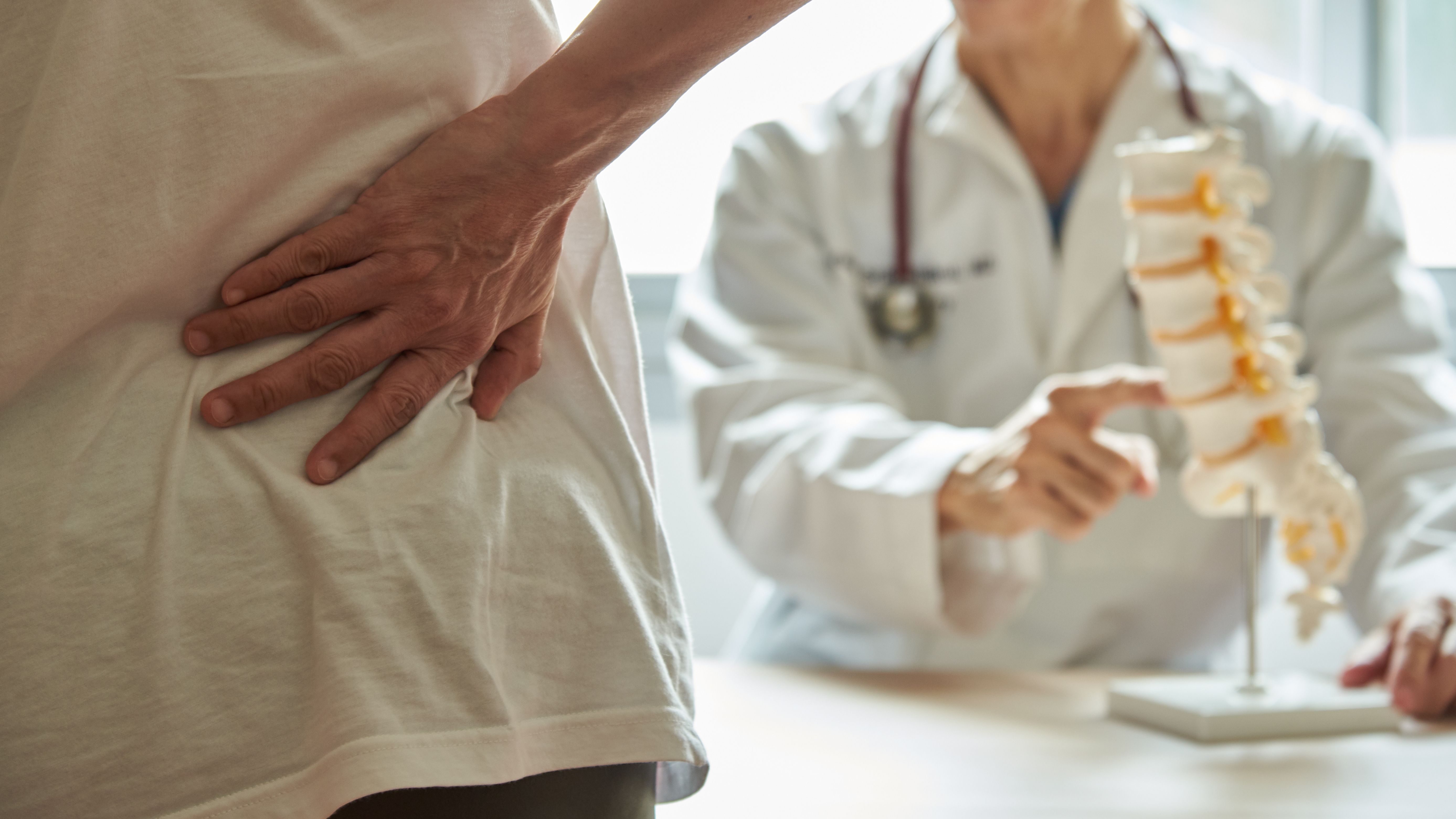
The symptoms of a herniated disc can vary depending on its location and the severity of the herniation. Common symptoms include:
- Pain in the arm or leg, which may worsen with certain movements.
- Numbness or tingling in the affected area.
- Weakness in the muscles served by the affected nerves.
It's essential to consult a healthcare provider if you experience any of these symptoms, especially if they persist or worsen over time.
Causes of Herniated Discs
Herniated discs can result from several factors, including:
- Age-related wear and tear: Discs lose flexibility and are more prone to tearing or rupturing with age.
- Injury: A sudden strain or traumatic injury can cause herniation.
- Genetics: Some people inherit a predisposition to developing this condition.
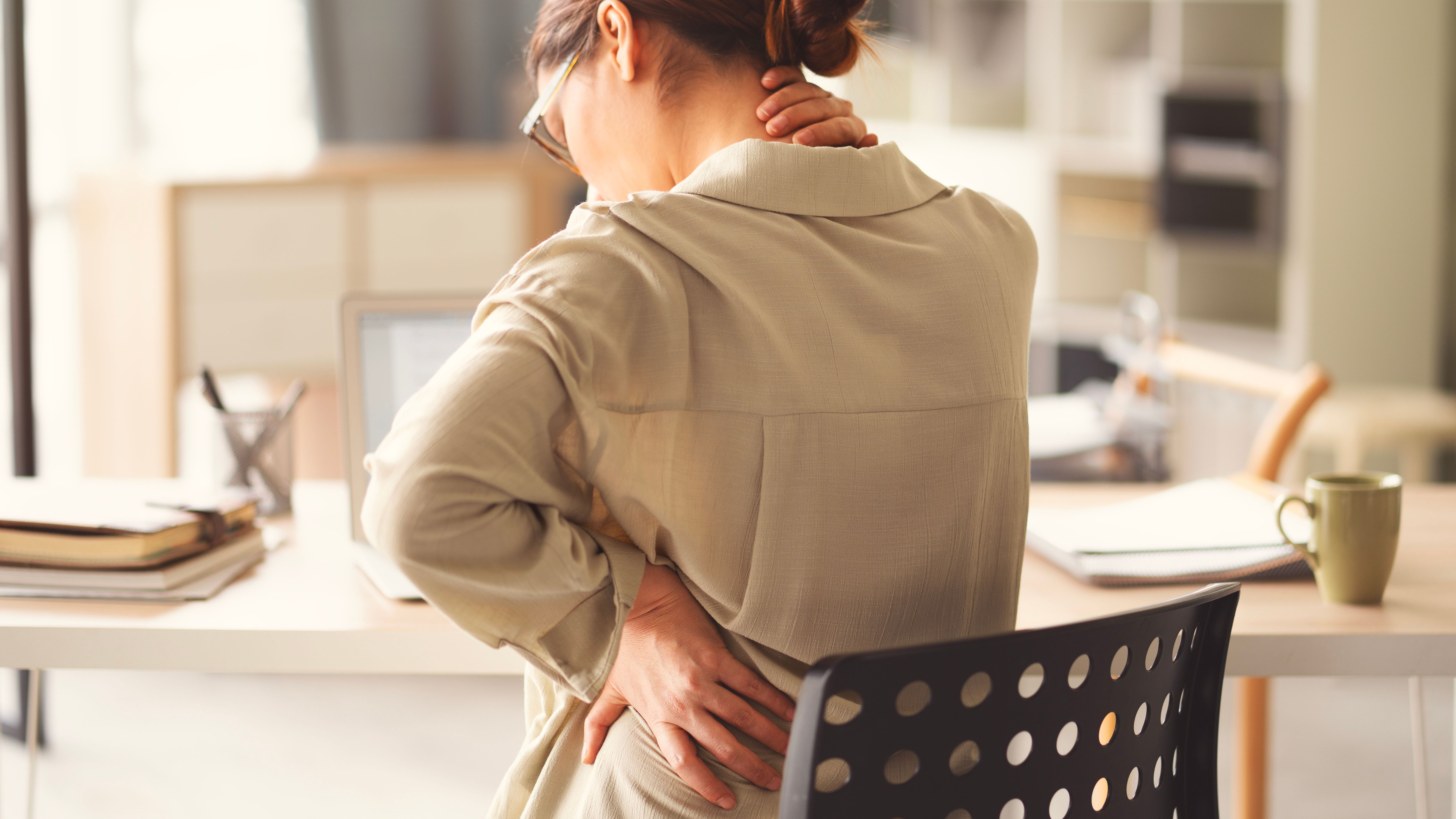
Understanding these causes can help in adopting preventive measures and seeking timely medical advice.
Treatment Options
Treatment for herniated discs varies based on the severity of the condition and the symptoms experienced. Common treatment options include:
- Physical therapy: Helps strengthen and condition the muscles around the spine.
- Medications: Pain relievers, anti-inflammatory drugs, and muscle relaxants can alleviate symptoms.
- Surgery: In severe cases, surgical intervention may be necessary to remove or repair the herniated portion of the disc.
Consulting with a healthcare professional can help determine the most appropriate treatment plan for your specific situation.

Preventive Measures
While not all cases of herniated discs can be prevented, certain lifestyle changes can reduce the risk. Consider the following tips:
- Maintain a healthy weight to reduce spinal stress.
- Exercise regularly to strengthen the back and core muscles.
- Practice good posture to minimize pressure on the spine.
Adopting these habits can contribute to a healthier spine and potentially reduce the risk of disc-related issues.
Understanding herniated discs and their effects is the first step towards effective management and treatment. By recognizing symptoms early and seeking appropriate care, you can improve your quality of life and minimize discomfort.