Avoiding Surgery: Non-Invasive Treatments for Herniated Discs

Dealing with a herniated disc can be both painful and disruptive to daily life. While surgery is an option, many people are keen to explore non-invasive treatments first. Fortunately, there are several effective strategies for managing this condition without going under the knife.
Understanding Herniated Discs
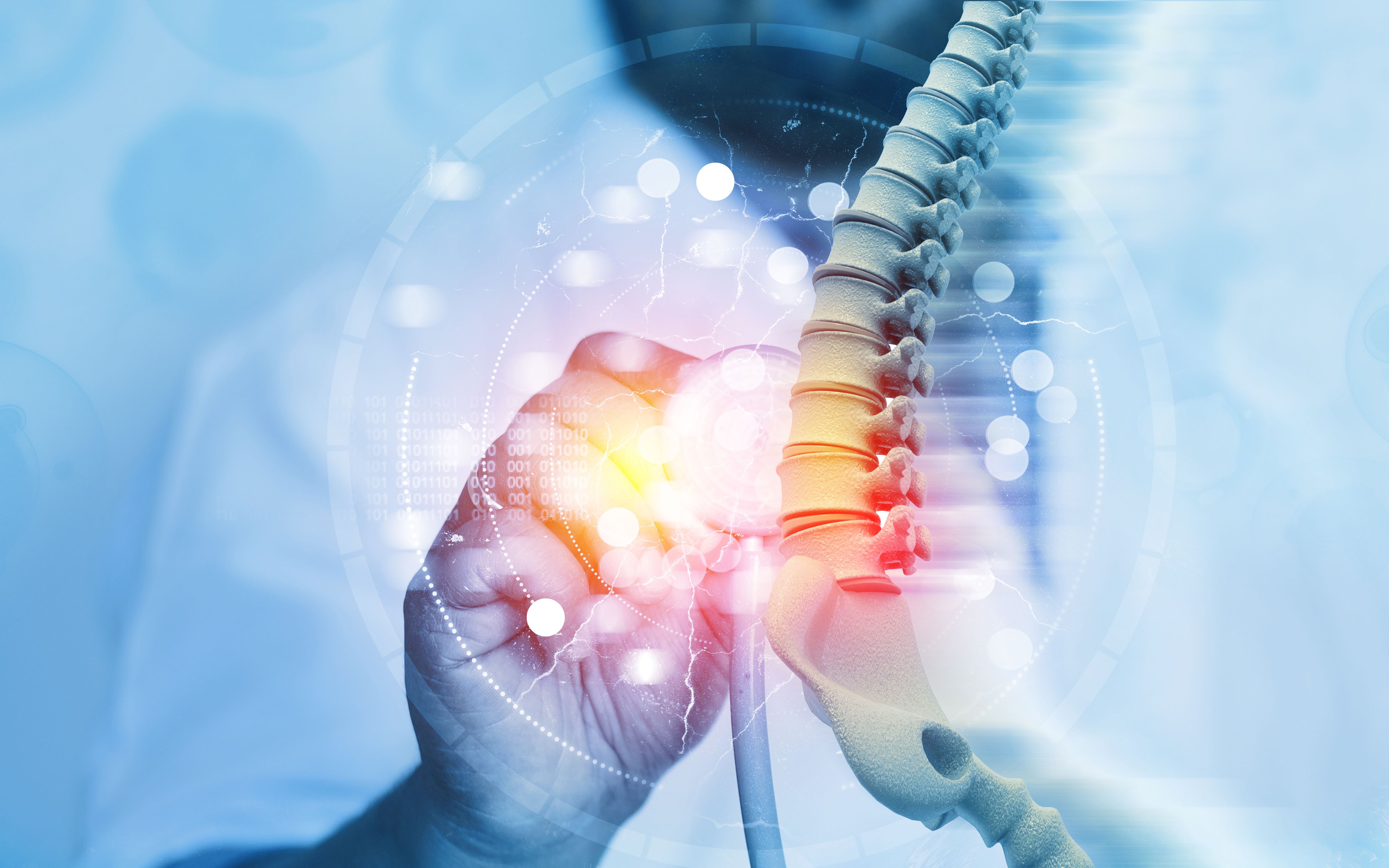
A herniated disc occurs when the soft center of a spinal disc pushes through a crack in the tougher exterior casing. This can irritate nearby nerves and result in pain, numbness, or weakness in an arm or leg. Understanding the condition is crucial for determining the best course of action.
Physical Therapy
One of the most common non-invasive treatments for a herniated disc is physical therapy. Physical therapists can design a personalized exercise plan that targets the affected area, helping to alleviate pain and improve mobility. Regular sessions can strengthen the muscles around the spine, providing better support and reducing pressure on the disc.
Medication
Over-the-counter pain relievers like ibuprofen or acetaminophen can be effective in managing mild to moderate pain. In some cases, doctors may prescribe stronger medications or muscle relaxants to address more severe symptoms. It is essential to follow a healthcare provider’s guidance when using medication for pain management.

Epidural Steroid Injections
For those experiencing significant discomfort, epidural steroid injections can provide relief. These injections deliver anti-inflammatory medication directly into the area around the affected nerve, reducing inflammation and alleviating pain. While not a permanent solution, they can offer temporary relief and allow patients to engage more effectively in physical therapy.
Chiropractic Care
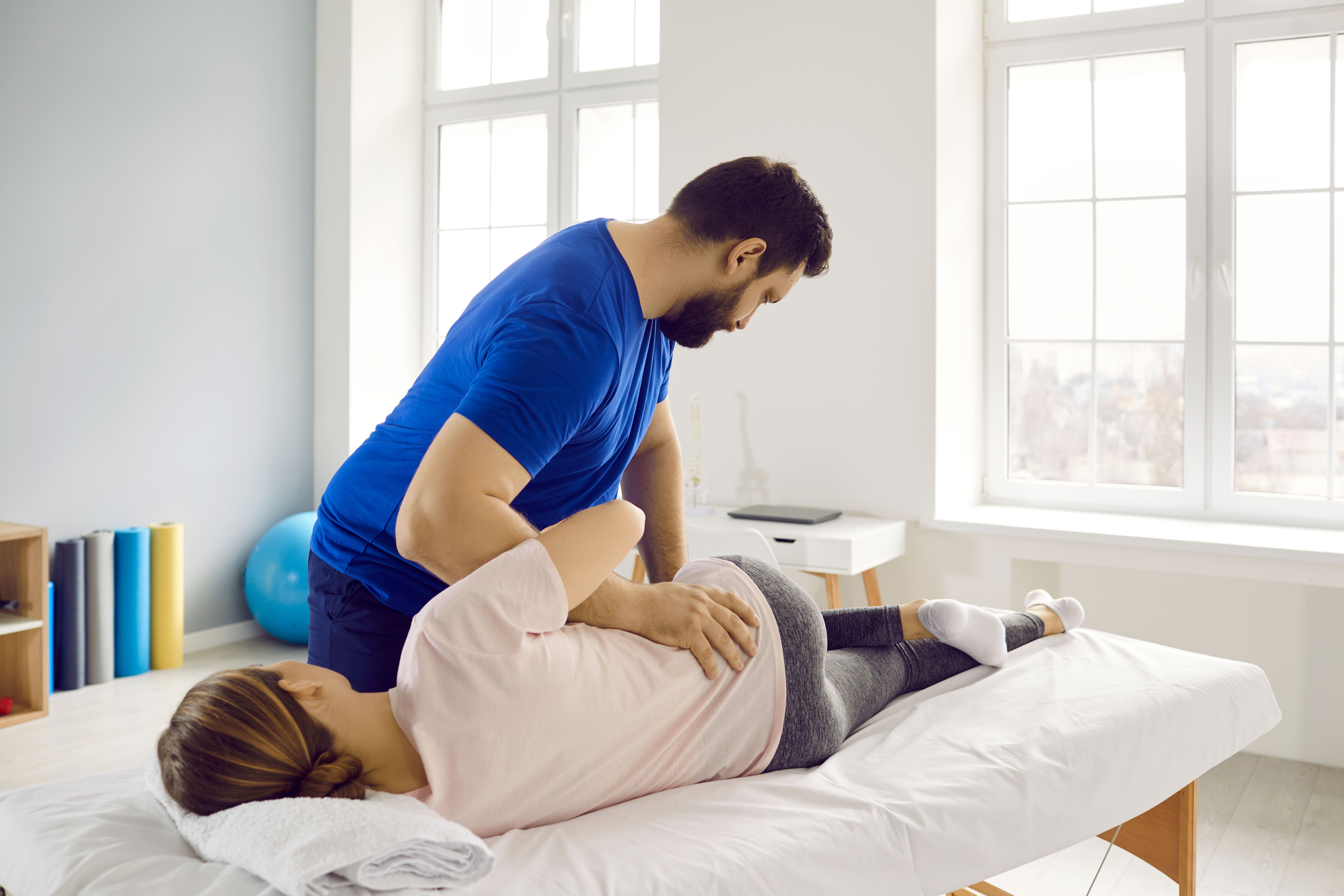
Chiropractic adjustments may also be beneficial for some individuals with herniated discs. Chiropractors use controlled, sudden force to adjust spinal alignment, which can reduce nerve irritation and improve function. It’s important to consult with a healthcare professional to ensure this approach is suitable for your specific condition.
Lifestyle Modifications
Incorporating specific lifestyle changes can significantly impact recovery and prevention. Maintaining a healthy weight, practicing good posture, and avoiding activities that put strain on the back are essential steps. Additionally, quitting smoking can improve overall spinal health, as smoking can decrease blood flow to the spine and slow healing.
Yoga and Stretching
Engaging in yoga or specific stretching exercises can enhance flexibility and reduce tension in the spine. Many poses in yoga, such as the cat-cow stretch or child’s pose, can gently stretch and strengthen the back muscles, promoting better spinal health and pain relief.
By exploring these non-invasive treatments, individuals with herniated discs can often find significant relief and improve their quality of life, all while avoiding surgery. It's essential to consult with healthcare professionals to tailor a treatment plan that best suits your needs.